
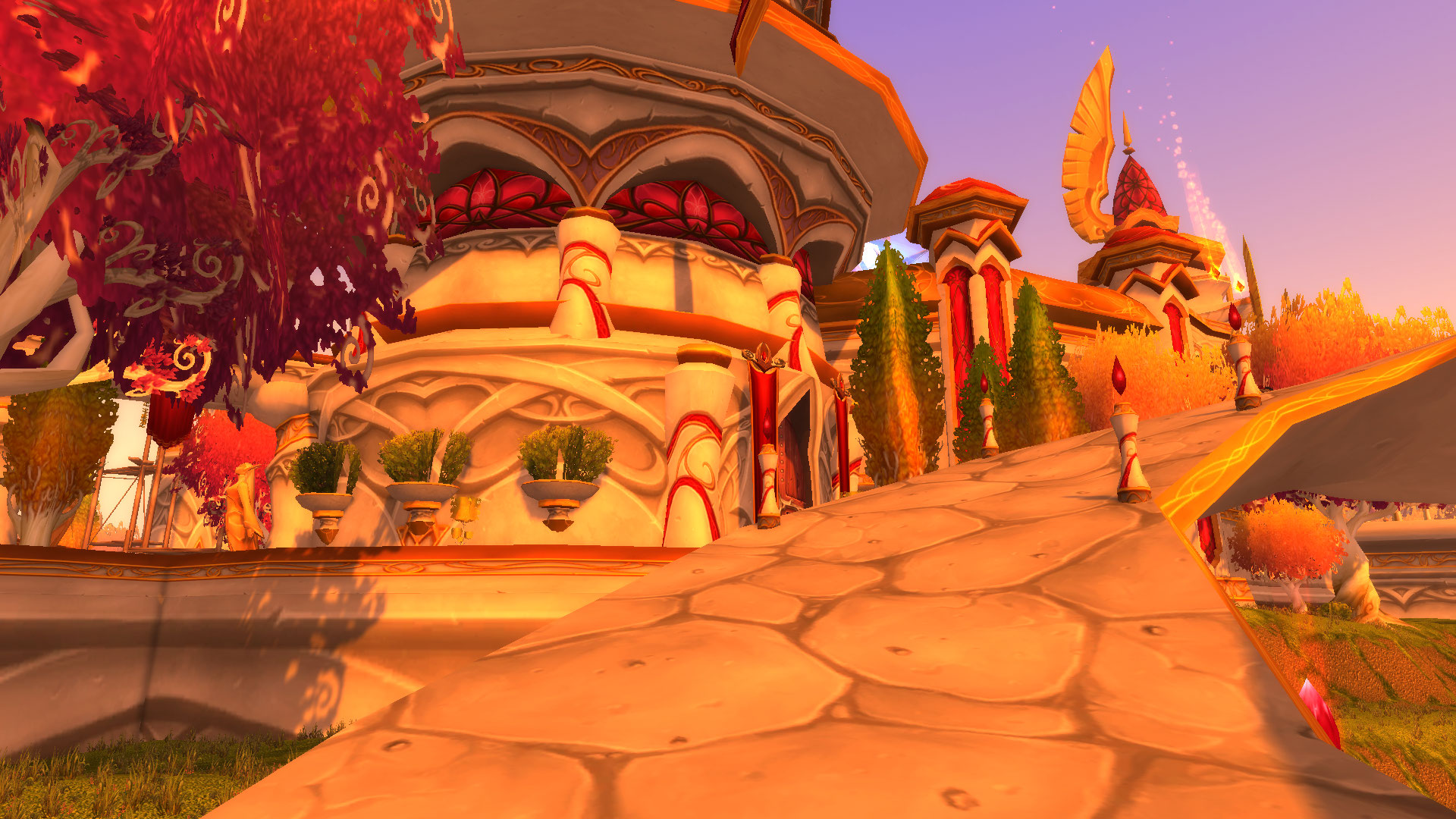
Quel’Danas was meant to be a hub where players picked up daily quests, but it turned into something much livelier. Strong monsters, contested objectives and the chance of being attacked by another player at any time made the island a risky place to spend an evening. This guide explains what made it dangerous, how the PvP elements contributed, which strategies help, the parameters that matter, the issues players ran into and what future shared spaces might look like.
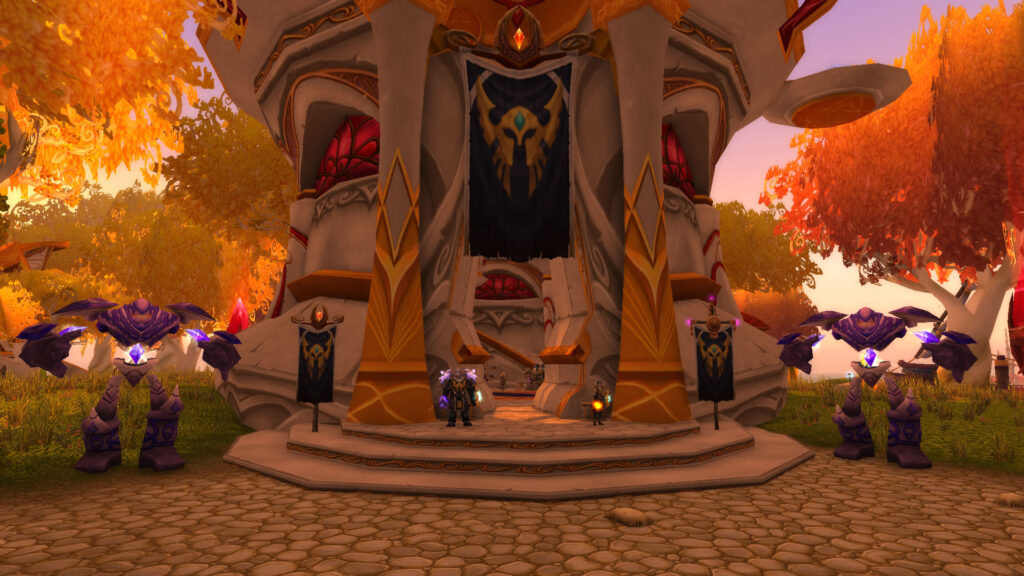
What made the island dangerous?
Open PvP, powerful creatures and competitive daily quests.
The mixture of threats is what defined the zone. You could be fighting a strong monster, completing a quest and watching for another player all at once. The table lists the main features and their effects.
| Feature | Description | Effect on players | Special mechanics |
|---|---|---|---|
| Open PvP | Players could attack each other freely | Higher risk during quests | Zone-wide objectives |
| Strong creatures | Powerful NPCs roamed the area | Required group coordination | Dynamic spawns |
| Competitive quests | Daily quests with limited resources | Encouraged rivalry | Shared objectives with PvP elements |
How did PvP add to the danger?
It turned the island into a battleground where threats came from both creatures and other players.
Open-world PvP made the island volatile. You might fight another player while completing a quest or while a strong monster was nearby. This required constant attention to your surroundings, because ambushes were always possible. Being attacked in the middle of a daily quest created tension that earlier zones did not have, and many players found it exciting.
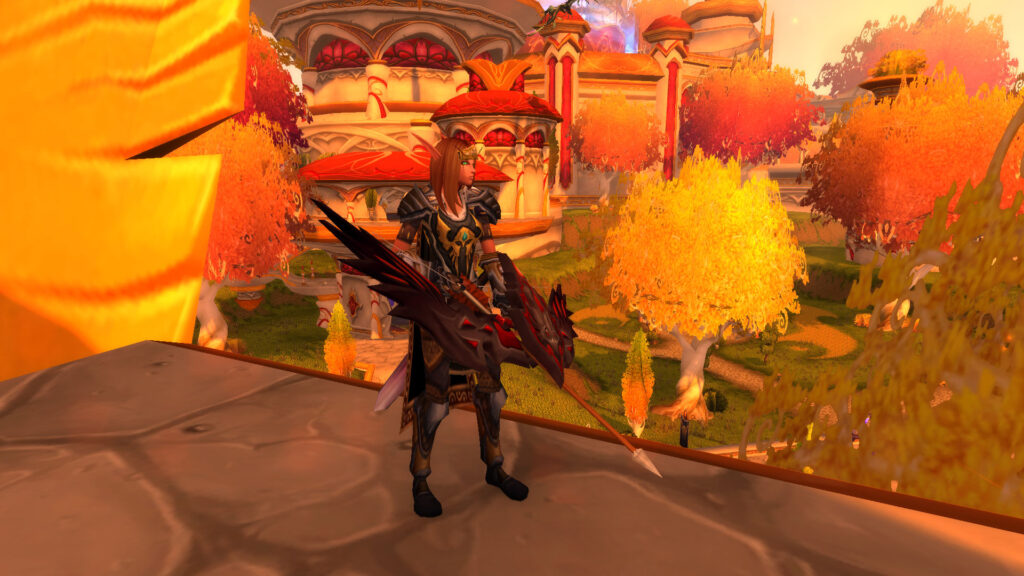
PvP objectives, such as holding towers or winning skirmishes, encouraged temporary alliances and rivalries. The balance of power could shift quickly depending on who showed up, so every encounter had real stakes. Players adapted by switching between PvE and PvP tactics as the situation required.
Which strategies help you survive?
Stealth, teamwork and planning.
Stay aware of both enemy players and creatures. Groups survive far better than individuals because they can clear monsters efficiently and defend against ambushes. Stealth abilities and fast mounts reduce exposure between objectives.
- Watch the minimap for enemy players and spawns.
- Group up for quests and for defense.
- Use stealth or mounts to travel between objectives.
- Prioritize valuable quests while watching for threats.
Which parameters decide success?
Quest dynamics, player behavior and environmental factors.
Know which quests give the best rewards and who you are competing against. Watch how other players behave, since that can warn you of ambushes or show an opportunity to cooperate. Take creature spawn locations and PvP hotspots into account when you plan routes.
Time of day and server population also matter. Quests done during quiet hours meet less hostility, and a flexible approach lets you adapt when conditions change. The ability to adjust on the fly is essential in an environment that never stays the same.
What problems might players face?
Overwhelming numbers, unbalanced fights and competition for resources.
Facing too many enemies at once can end quickly. If one faction dominates the island, the other has a hard time completing quests. Competing for the same monsters or quest items causes frustration. Preparing for these situations, and having a backup plan, keeps your evening from being wasted.
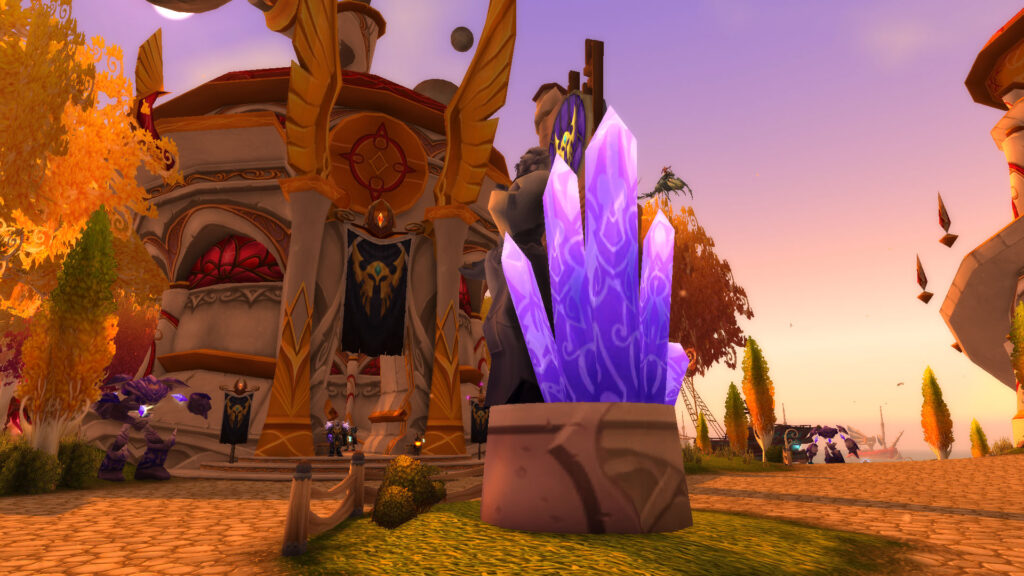
What does it mean for future shared spaces?
Better PvP tools, dynamic events and stronger cooperation systems.
The island showed what a shared space can be. Future designs could explore PvP that rewards strategic play, events that change the landscape based on player actions and systems that reward cooperation. Such ideas would keep the excitement while making the experience more balanced and social.